Where the law was changed
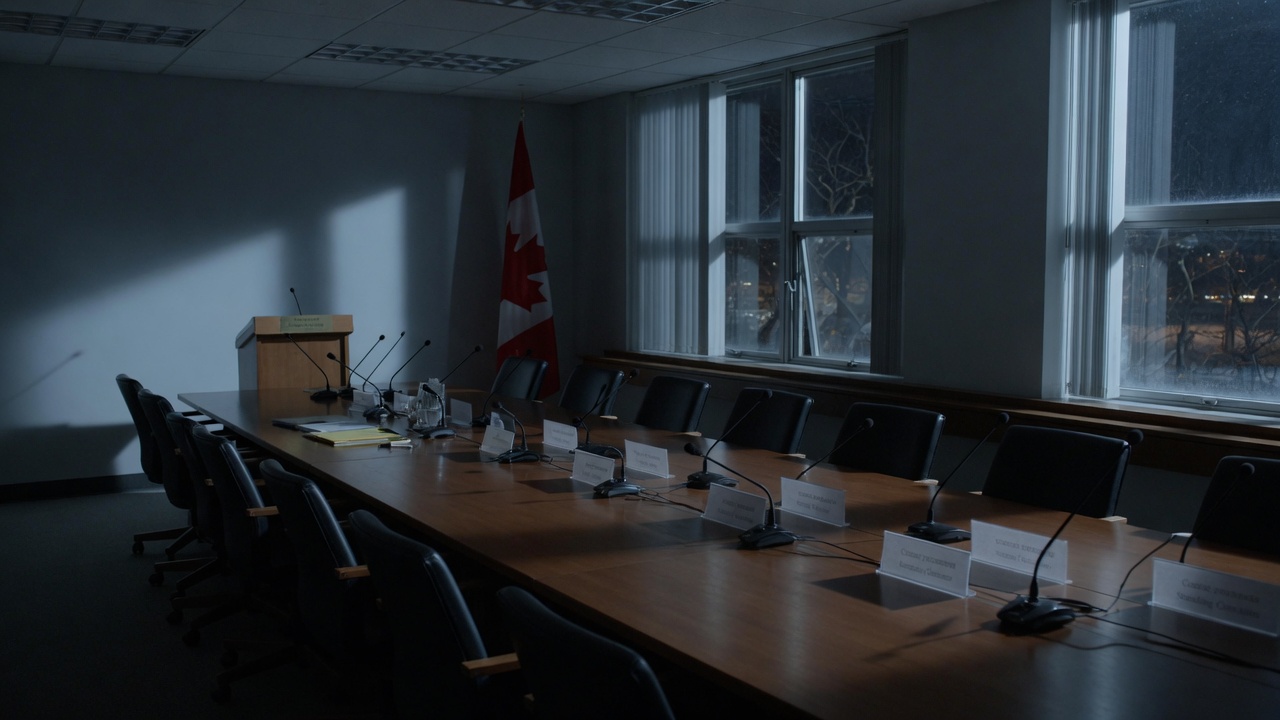
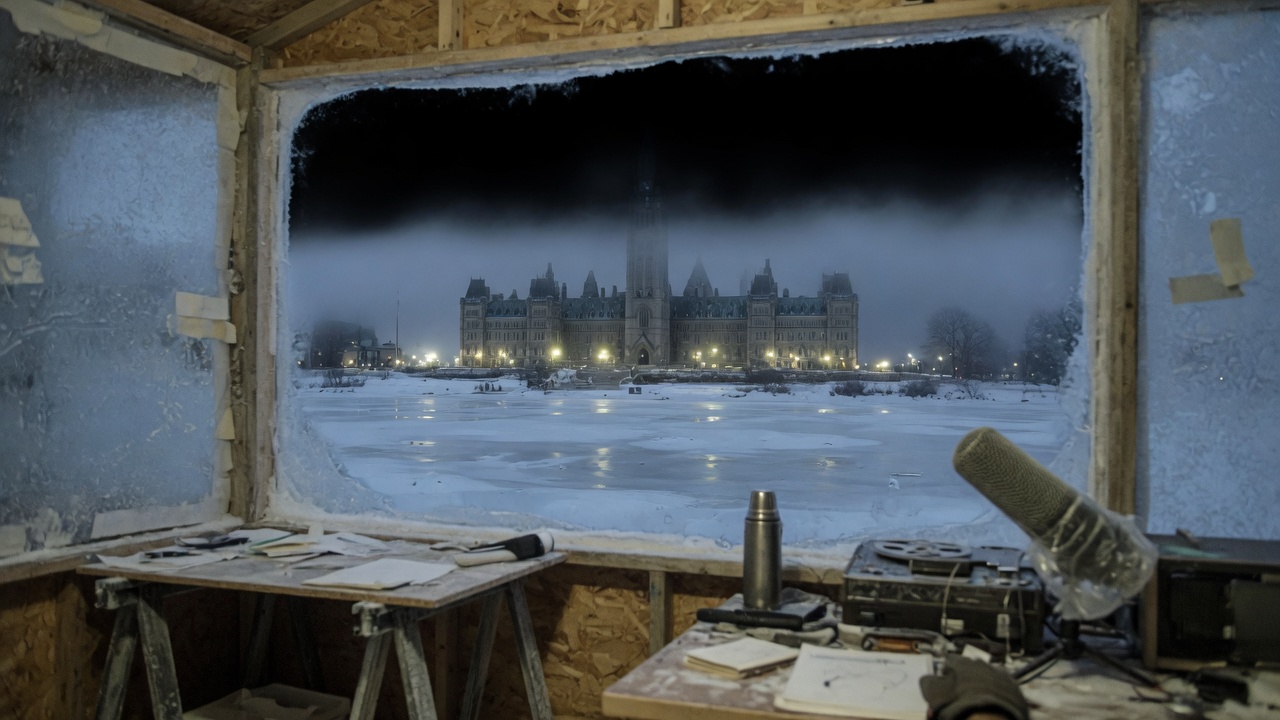
Atmosphere for the parliamentary frame. The primary path is Hansard and the statute text of Bill C-7.
Bill C-7 (statute) → Hansard evidence →
ACT I · Rome Statute Article 6(a)
The Government of Canada knowingly expanded MAID via Bill C-7 (2021), removing the “reasonably foreseeable death” safeguard. Rome Statute Article 6(a) forbids killing members of an identifiable group with intent to destroy that group in whole or in part. The intent is on the parliamentary record.
Each beat carries a still or film layer behind the text. Numeric claims link to the cited MAID / Hansard files. Reduced-motion devices get stills only.
The gallery is a reading board: documentary stills and atmospheric loops set tone; volume cards point at Health Canada series on the linked files. Open each act for the cited numbers.
Atmosphere for the parliamentary frame. The primary path is Hansard and the statute text of Bill C-7.
Bill C-7 (statute) → Hansard evidence →Lametti on second reading: eligibility expands by removing reasonably foreseeable natural death. The quote is on the record.
Commons Hansard →
Record · Volume
5.1% of all deaths in Canada administered through MAID in 2024 — Health Canada Fifth Annual Report. The curve is the expansion after C-7.
MAID accountability → MAID numbers → Demographic board →
Record · Track 2 volume
Death not reasonably foreseeable — the cohort C-7 created. About 776 Canadians in 2024. Same MAID volume series as the federal report (not a multi-cause attrition composite).
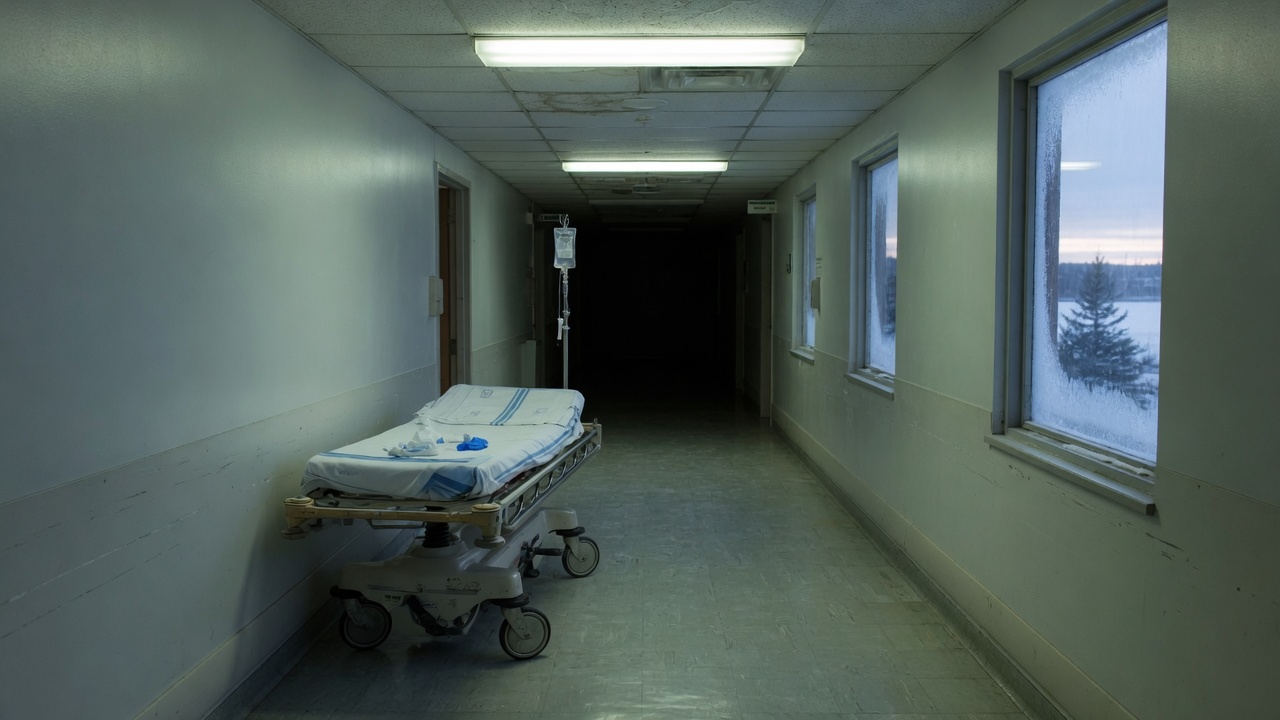
Disability file → Health Canada 2024 report →Memorial atmosphere for the clinical path — not a case file. The volume and eligibility rules sit in Health Canada tables and the Criminal Code amendments.
Open MAID file →
Still · Investigation
C-7 was debated and passed with explicit awareness that removing the safeguard would route disabled, chronically ill, and economically vulnerable people into a state death program.
Elements analysis → Argument sources →Background film and stills set memorial tone. They do not establish intent. Intent is argued from Hansard, the statute, and the annual MAID reports that quantify who dies under Track 2.
Article 6(a) is a legal frame for reading the public record — not a court verdict. TENET5 cites primary documents so you can check every claim.
Article 6(a) — Bill C-7 and the parliamentary record.
Who is dying under Track 2: disabled, chronically ill, poor, isolated.
Continue →
MAID offered instead of treatment. Article 6(b).
Continue →
Housing, income, palliative denial — Article 6(c). Then ACT V coercion.
Continue →
Also see ACT IV conditions.
Continue →Article 6(a): Bill C-7 removed the reasonably foreseeable death safeguard. The intent is on the parliamentary record. Cinema walkthrough of the public… Canada…